
(excerpt from Performance Approaches to Shakespeare, p. 11)
In researching the various [acting editions] available for use in the classroom or in mounting a production, you must keep in mind that each publication was created from a particular editor’s perspective and with that editorial motive – or hot spot – firmly in mind in analyzing and interpreting a play. Each one makes specific decisions varying widely from edition to edition, from editor to editor, focusing on certain elements while avoiding or ignoring others. The basic story remains the same, but the intent changes.
Practitioners, on the other hand, also have particular concepts in mind when selecting a text, and so the search for a script that aligns with their views may be important. Some rely heavily on annotations and footnotes while others disregard them and choose to purchase the least expensive edition. Others prefer to do away with those kinds of helps altogether and refer solely to facsimiles of earlier texts.
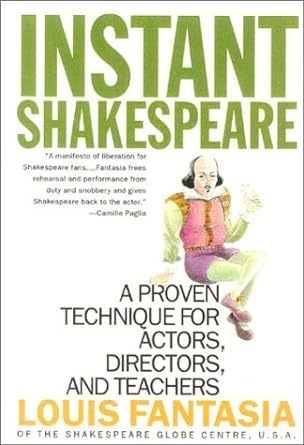
The advantage of using a well-developed acting edition is the amount of information it can contain: definitions and uses of obscure or oddly used words, explanations of historical context, staging suggestions, scholarly commentary and perspectives in the form of introductions and essays. The downside as mentioned above is that no two editions highlight the same words, themes, etc., and each editor has a finely-tuned perspective on the subject. Therefore, consulting multiple versions provides the good researcher with a well-rounded perspective, perhaps presenting previously unconsidered aspects of the play that could be put into a lesson or production. Louis Fantasia encourages that “…in performance you must choose only one and play it. And the more information you bring to your decision-making, the richer your choices will be.”
 Performance Approaches to Shakespeare